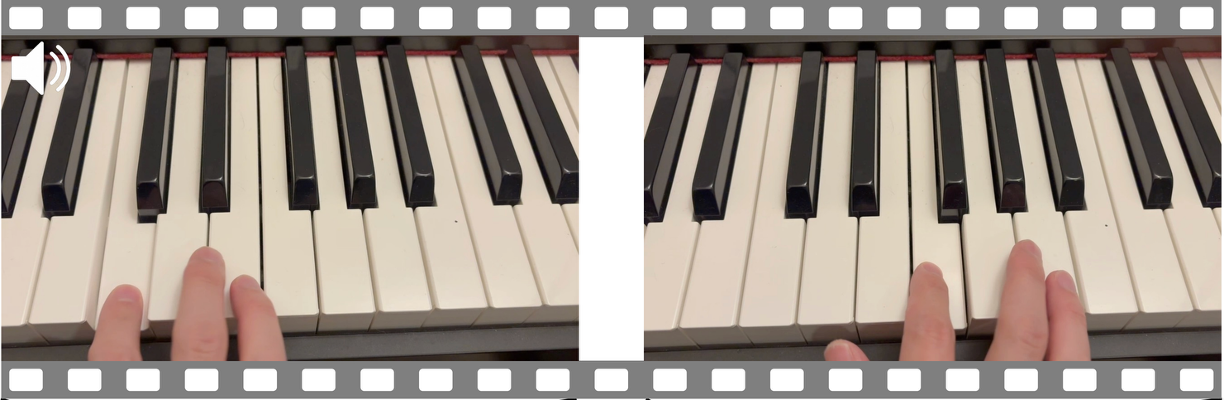
A benchmark for evaluating physically-grounded video-to-audio generation.
I am a fourth-year CS Ph.D. student at UC Berkeley, advised by Gopala Anumanchipalli. I am a part of Berkeley Artificial Intelligence Research (BAIR) Lab, where I have been fortunate to collaborate with Andrew Owens.
Previously, I had the privilege to work with Hang Zhao from IIIS, Tsinghua University and Ming Li from Duke University.
My research uses sound as a window into physical common sense, revealing how objects and scenes are composed, behave, and interact in ways vision and language alone may not capture. I am grateful to be supported by the Sony Research Award.
A benchmark for evaluating physically-grounded video-to-audio generation.
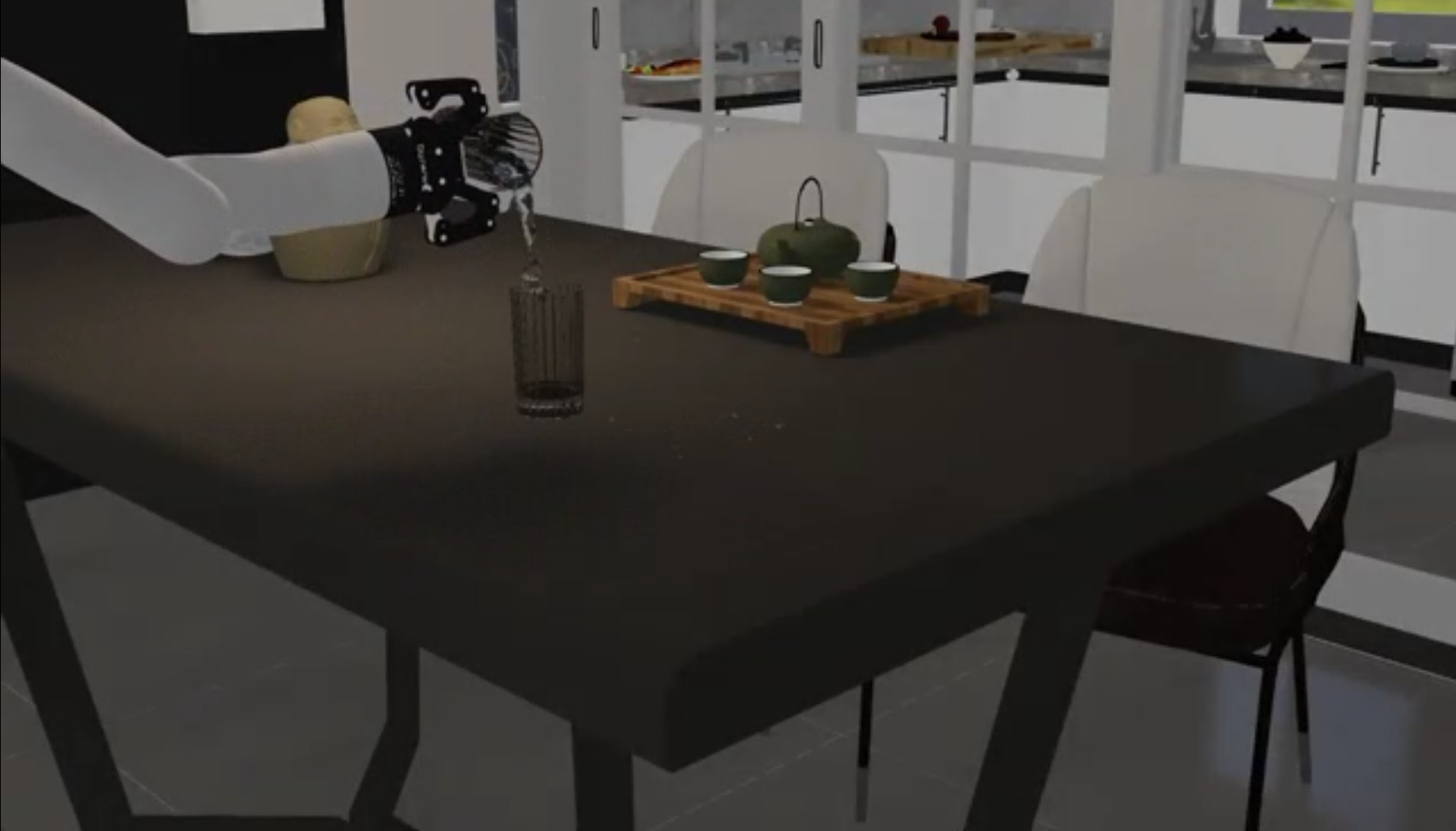
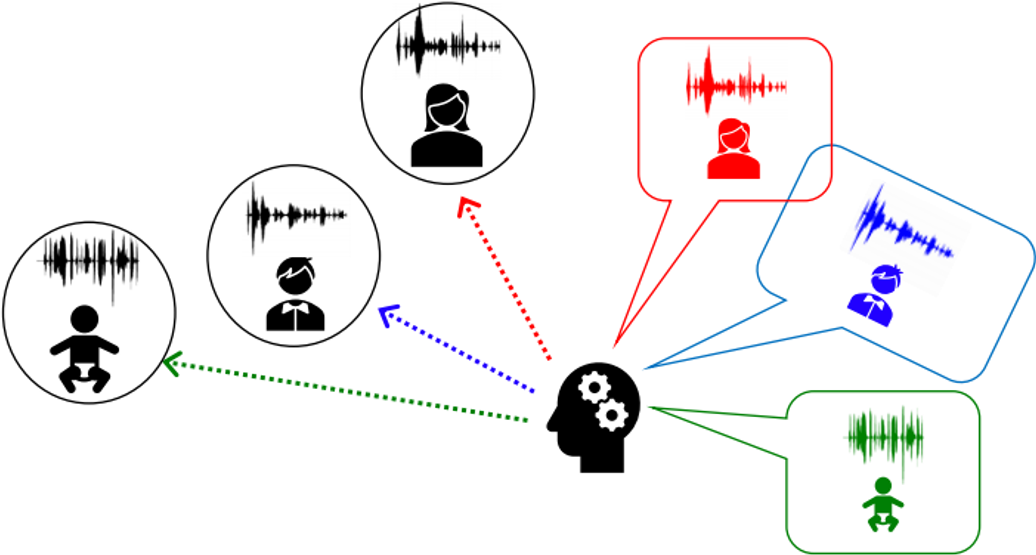
Learn sim-to-real robot policies with generative audio.
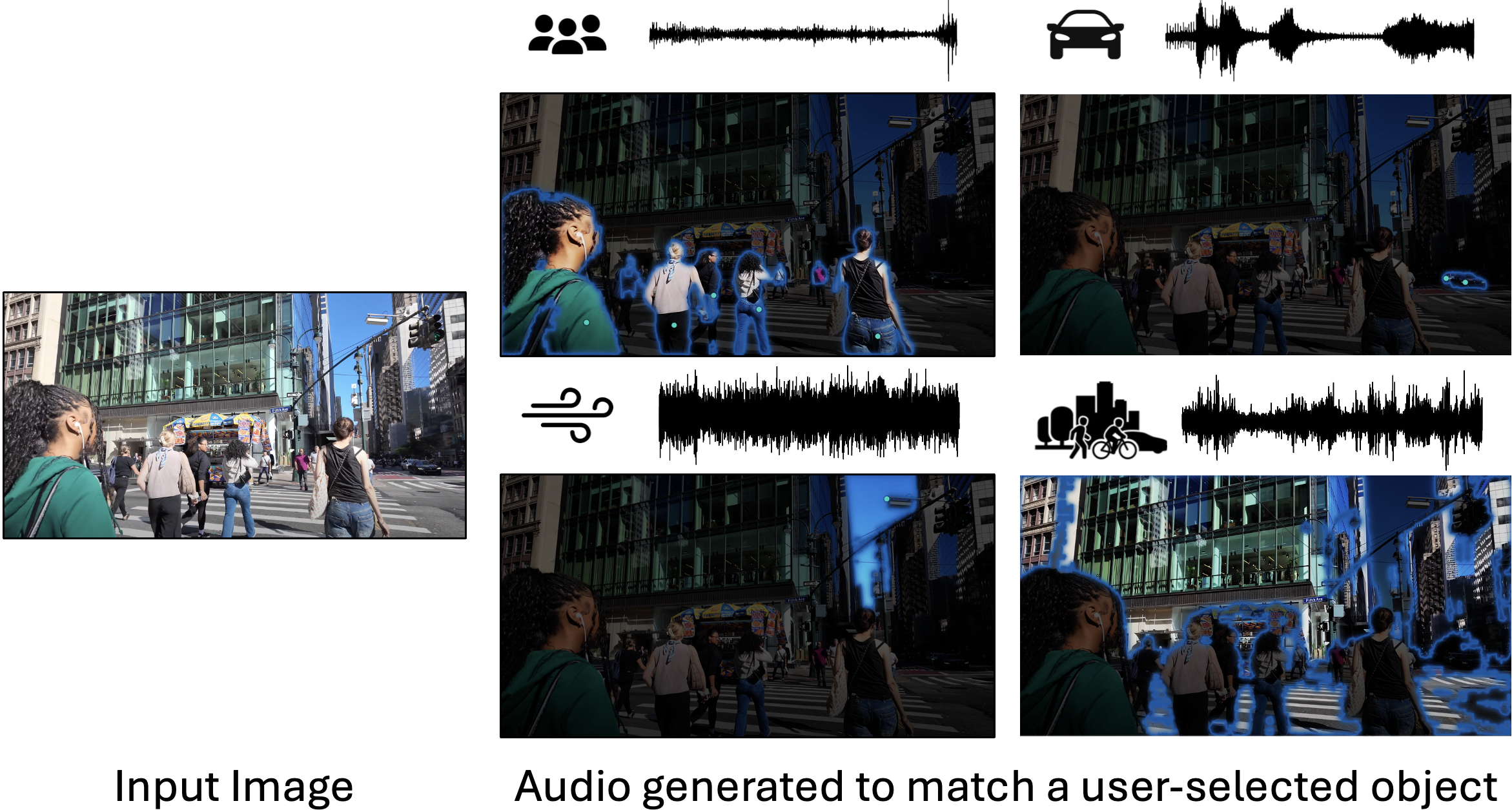
Interactively generate object-specific sounds from visual scenes.
Manipulate audio texture using exemplar-based analogy.
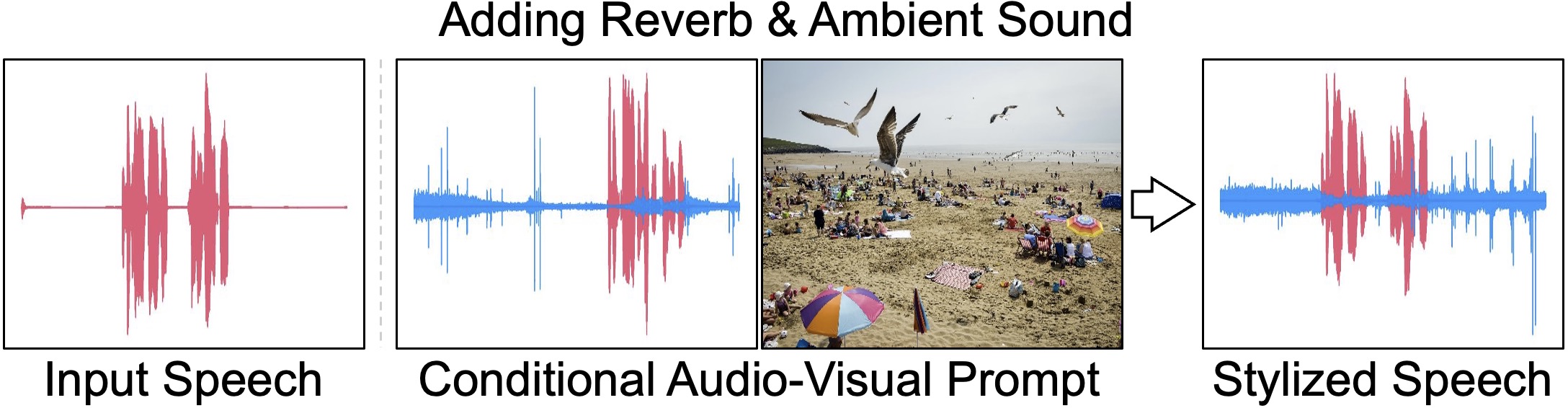
Restyle a sound to fit with another scene, using an audio-visual conditional example taken from that scene.
We synthesize speech from MRI videos.
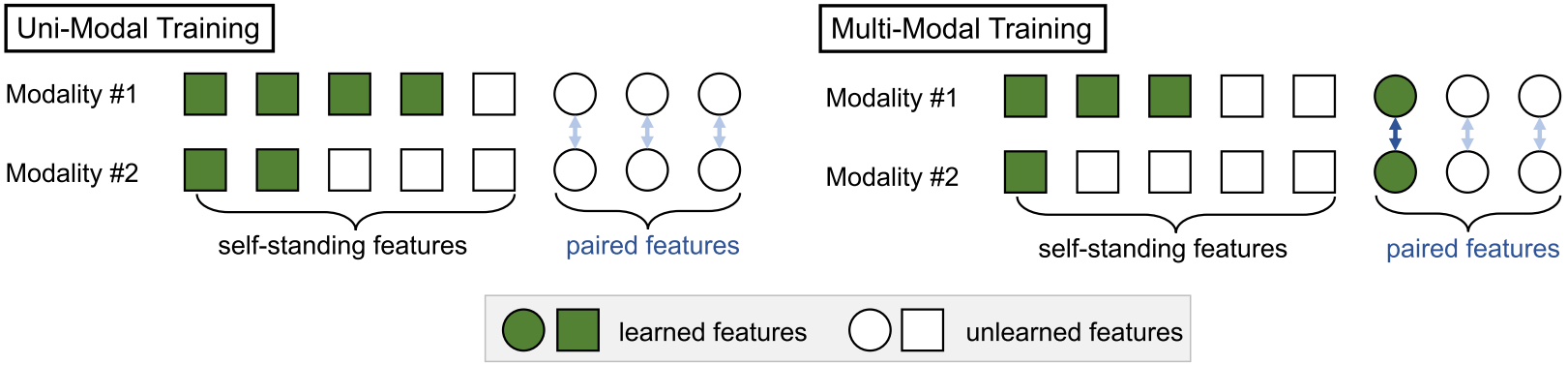
Improving generalization in multimodal learning through uni-modal feature analysis.
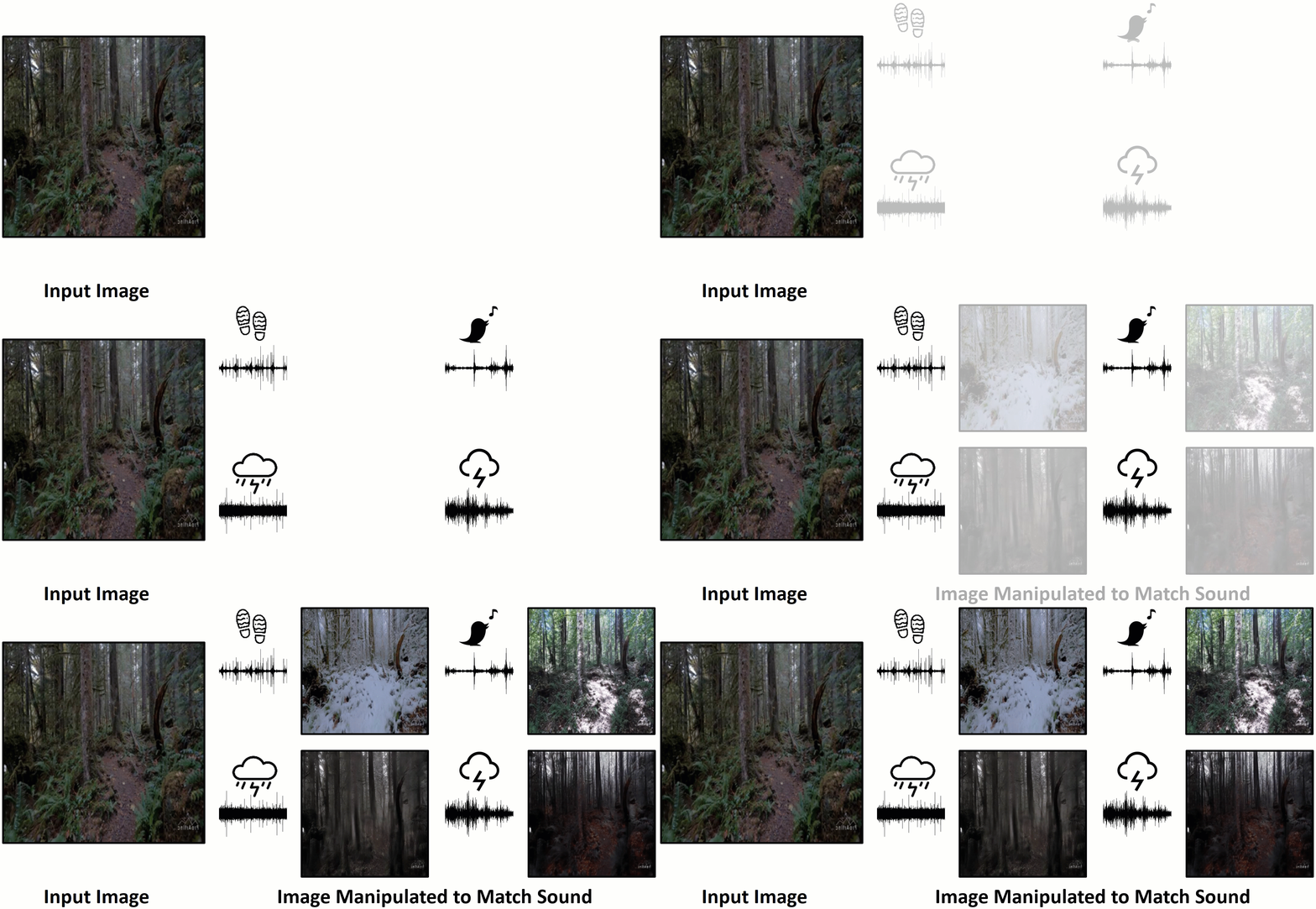
We learn from unlabeled data to manipulate the style of an image using sound.
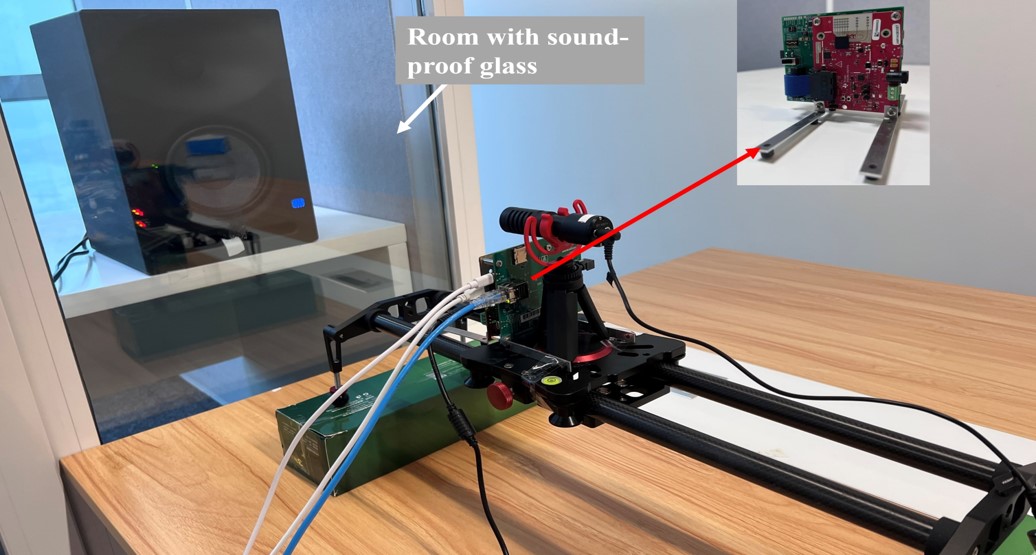
High-quality speech recovery system for millimeter-wave radar without deafness.
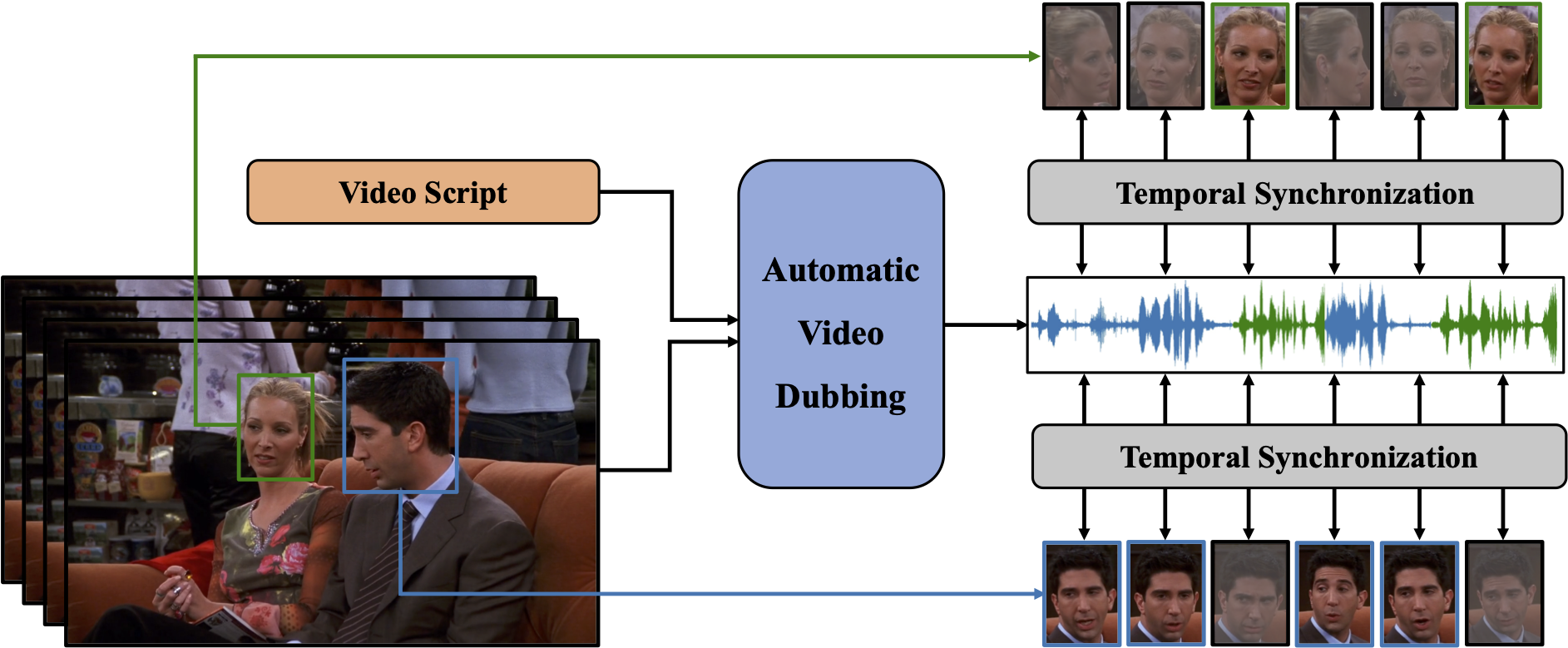
Automatic video dubbing driven by a neural network.
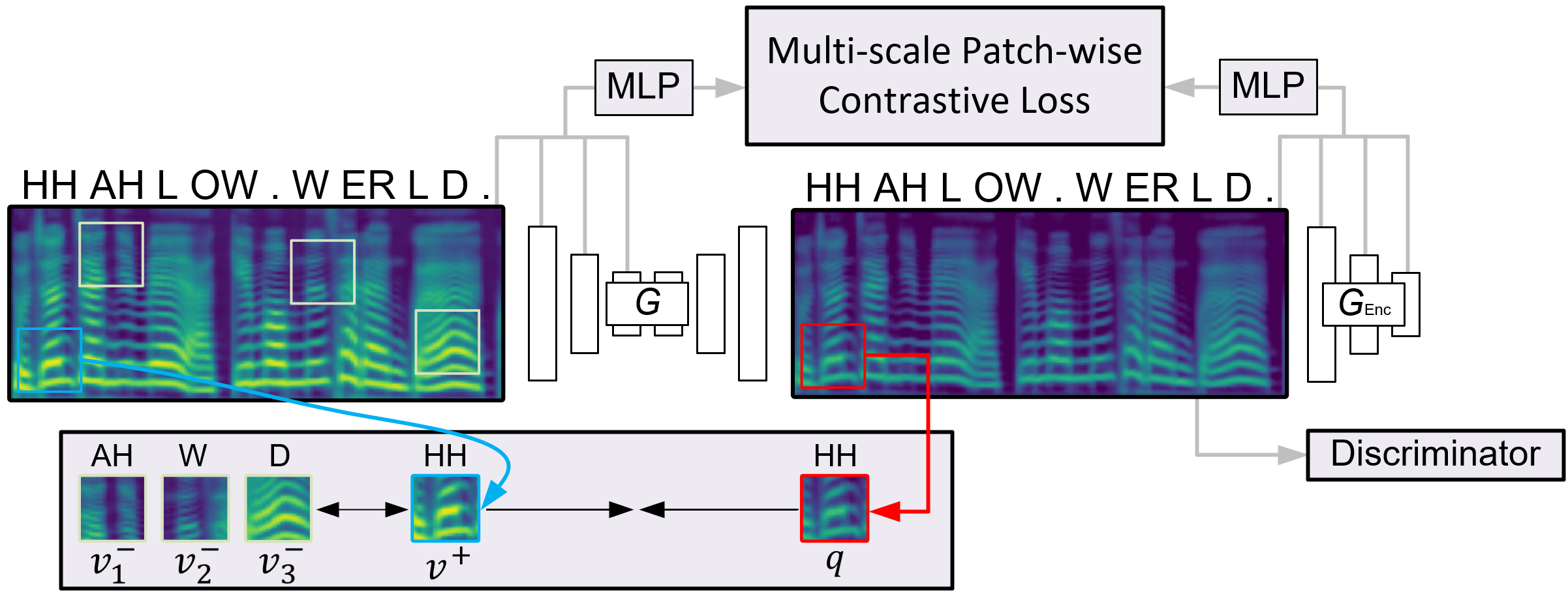
One-way GAN training for non-parallel voice conversion.
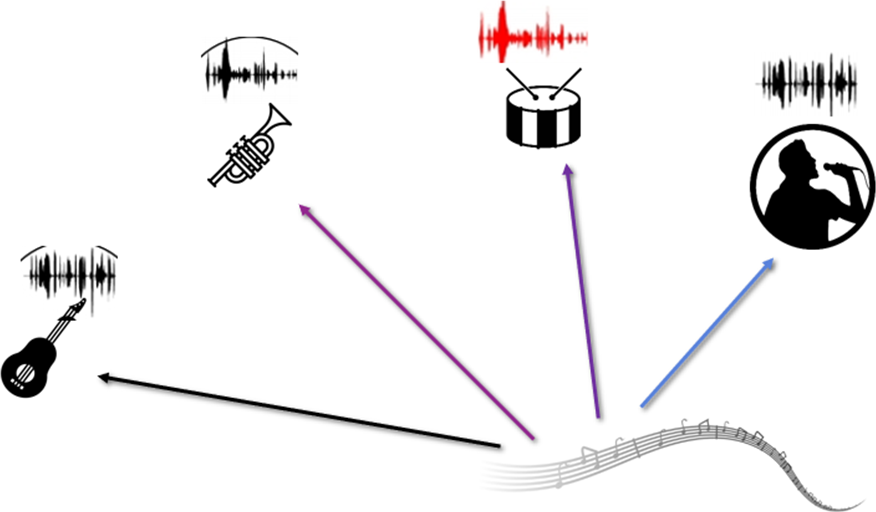
Sliced attention for music source separation by focusing on local intra-chunk features.
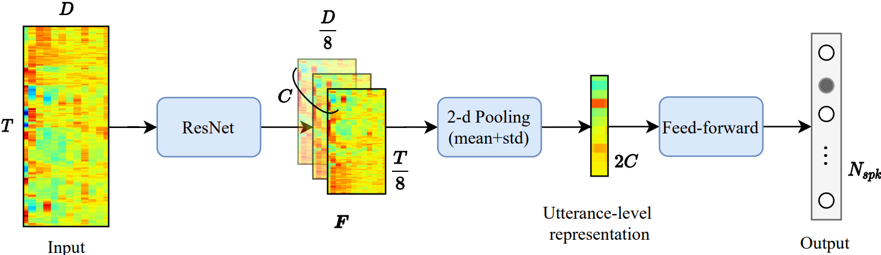
Winning systems for NASA Fearless Steps Challenge on speech activity detection and speaker identification.
Attention-based target speaker separation with improved efficiency and generalization.
A Hungarian algorithm-based loss that speeds up end-to-end speaker diarization.